

The Namgyal Institute of Tibetology is a Buddhist scholarship centre in Gangtok’s Deorali area, with a museum, Tibetan library and research centre. Pair its collections with a visit to nearby Do Drul Chorten, where you can walk clockwise around the stupa and turn prayer wheels.
- Location: Deorali, Gangtok, Sikkim
- Institute hours: Open Monday to Saturday; closed Sunday
- Museum fee: Rs. 25 for the museum and libraries
- Do Drul Chorten hours: 9:00 am–5:00 pm
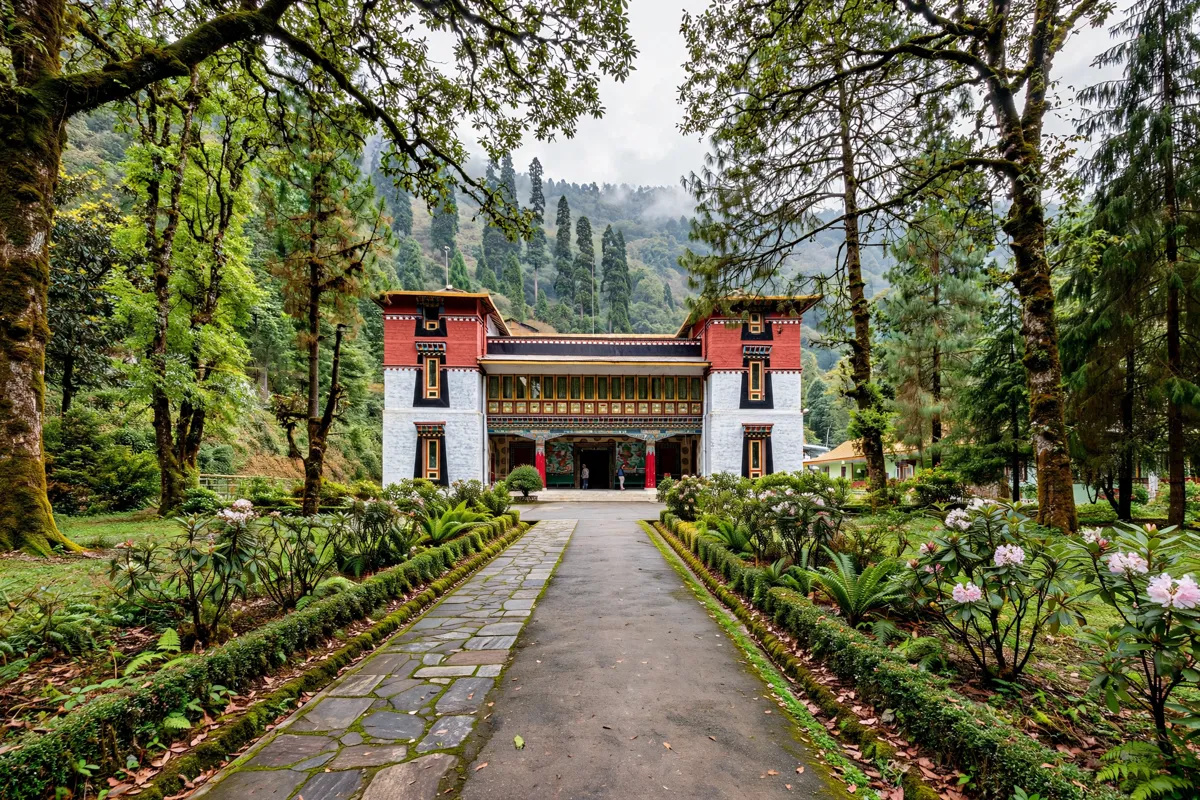
Visiting the Namgyal Institute of Tibetology
The Namgyal Institute of Tibetology (NIT) brings a museum, Tibetan library and research centre together in Deorali. Established in 1958, it focuses on Buddhist scholarship and research on Tibet, Sikkim and the Himalayas.
Start with the museum on the ground floor of the main building. Its collection includes Himalayan Buddhist art such as statues, ritual objects, thangkas and ancient manuscripts. The exhibition hall features a silver image of Manjushri and five thangkas depicting Sikkim’s history and the Namgyal dynasty.
Plan around the museum’s visitor rules: you must remove your shoes before entering, and photography and video are prohibited. The museum is generally closed on official government holidays. During peak tourist seasons, the museum remains open on Sikkim Government holidays.
Opening hours
- Monday to Saturday: 10:00–16:00
- Sunday: closed
Last checked November 2026. Hours can change on holidays and for special events.
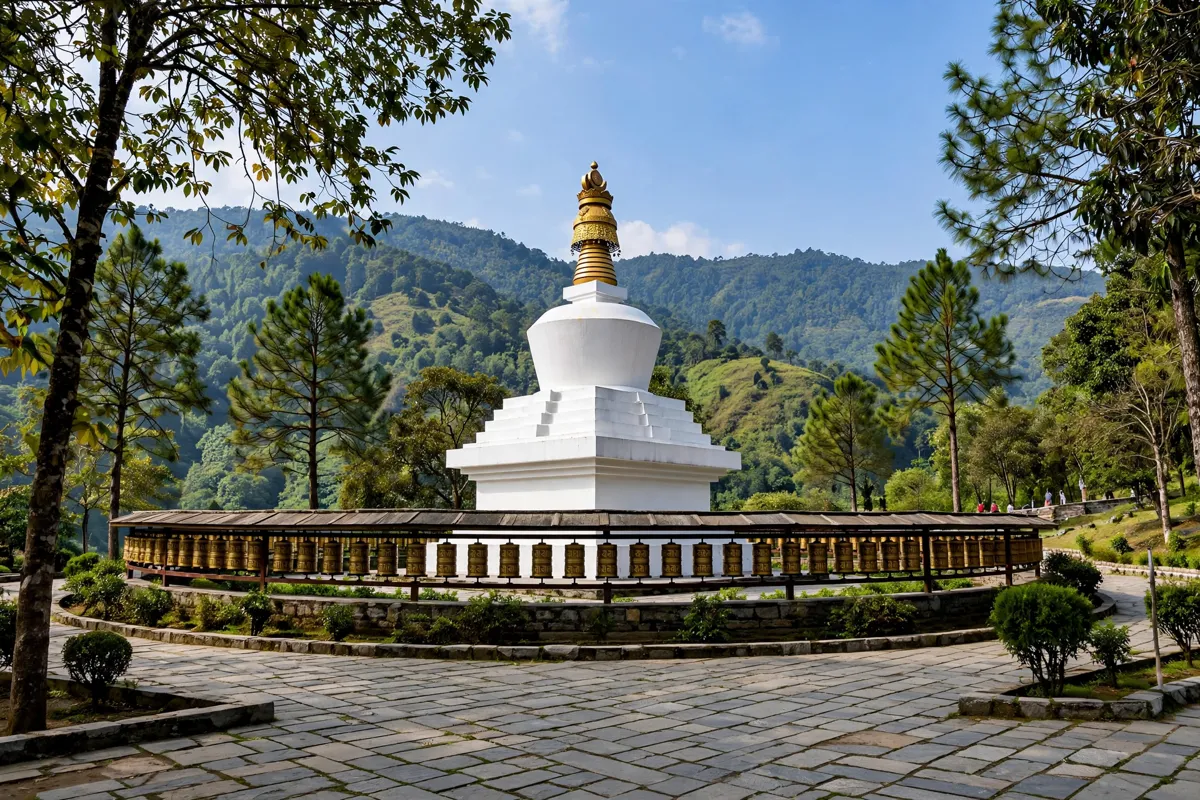
What to know about Do Drul Chorten
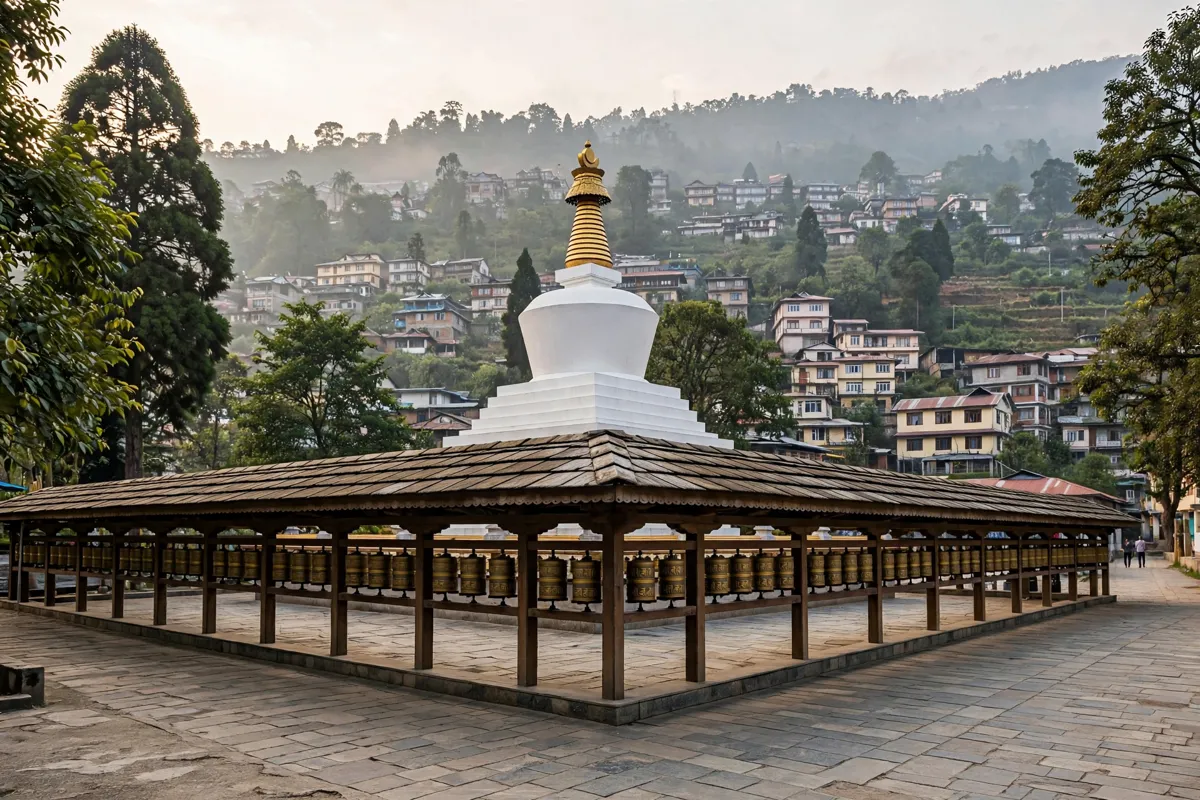
Do Drul Chorten is a stupa in Deorali, near NIT, known for the 108 Mani Lhakars, or prayer wheels, that encircle it.
Built in 1945 by Venerable Trulshi Rinpoche, the chorten contains a Dorjee Phurba mandala set, a Kinga Gyur holy-book set, mantras and other religious objects. Visitors can walk clockwise around the stupa and turn the prayer wheels. Its visiting hours are 9:00 am–5:00 pm.
For a separate monastery outing, you can plan a route from Gangtok to Rumtek Monastery.
How do you get between the two sites?

NIT and Do Drul Chorten are both in Deorali, and the chorten is described as near the institute. The two sites can form one cultural outing, but no specific walking time between them is available.
Do Drul Chorten is approximately 1 km from Gangtok. Reserved or local taxis are available from the market place and hotels. NIT is about a 19-minute walk from Greendale Residence.
Central Gangtok can be another stop on your day out.
Visitor etiquette and photography
At NIT, remove your shoes before entering the museum and keep your camera and video equipment put away. At Do Drul Chorten, walk clockwise around the stupa and turn the prayer wheels respectfully.
The sites offer different ways to spend your time: the institute focuses on museum collections and scholarship, while the chorten is a place for a quiet circuit around the stupa. You can include both in a Gangtok cultural itinerary alongside central sights such as MG Marg and Lal Bazaar.
Check access before your visit
Hours and access details can differ, particularly for NIT during peak tourist seasons. Check the official site before you go, and confirm the museum’s opening status if your plans fall on a Sunday or government holiday.
Do Drul Chorten is non-ticketed, and parking is available with capacity for 20 vehicles. For a broader day plan, how to plan one day in Gangtok connects central sights and viewpoints.
FAQs
Where is the Namgyal Institute of Tibetology?
NIT is in Deorali, Gangtok, Sikkim, India.
Can you take photographs inside the NIT museum?
No. The museum prohibits photography and video, and visitors must remove their shoes before entering.
How many prayer wheels encircle Do Drul Chorten?
There are 108 Mani Lhakars, or prayer wheels, around the stupa.
Is there an entrance fee for Do Drul Chorten?
It is non-ticketed.